
✅ Logged in
FACILITY DOGS
Thank you for your interest in our Facility Dog program! Applications are now open. Please scroll down to learn more and apply.
Key Benefits and Capabilities of Facility Dogs
- Enhanced Engagement: Encourages participation in therapies or classroom activities.
- Anxiety Reduction: Provides calming support through trained skills, such as deep pressure.
- Motivation and Cooperation: Inspire clients and students to collaborate and build confidence.
- Interactive Behaviors: Encourage engagement and participation for students and patients by integrating skills into therapies or lesson plans.
- Deep Pressure Techniques: When utilized with people with disabilities or vulnerable populations, these skills provide a calming effect and can help reduce anxiety.
- Skill Development: Facility Dogs are trained specific behaviors that can be integrated into therapies that promote development of fine and gross motor skills.
- Customized Support: Tailored placements ensure dogs meet the unique needs of the professional and their clients.
Facility Dog Trained Tasks
Facility Dogs are trained in a variety of interactive behaviors and tasks to maximize their impact in professional environments:
- Settle: Tells the Dog to lay on side with its head rested on the ground while a person lays or snuggles next to them.
- Lap: Tells the dog to place its front feet across a lap relaxing its elbows or chest.
- Touch: Tells the Dog to go to someone and gently nudge using their nose on either the person’s leg, hand, arm, or side.
Additional specialized tasks can be trained based on individual needs.
Learn more about the most common types of Facility Dogs below.
Eligibility Requirements
To qualify for a Facility Dog, applicants must meet the following criteria:
- Be employed a minimum of 20 hours per week in a role that directly serves individuals with disabilities or vulnerable populations, such as a therapist, teacher, counselor, or forensic interviewer.
- Must have a plan to utilize the dog’s trained skills within your work at your facility with needs that extend beyond emotional support. Please see the trained tasks and skills in the above section for examples of the tasks we train.
- Obtain written authorization from their employer or supervisor to include a Facility Dog in their work environment.
- Be open to a placement plan based on the specific needs of their clients and work setting.
- Understand that most DBL dogs are Labrador Retrievers, typically weighing 50 pounds or more. Due to the types of dogs we place, we are unable to accept applicants or household members who have allergies to dogs.
Stories of Impact
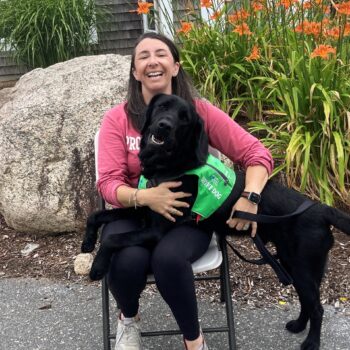
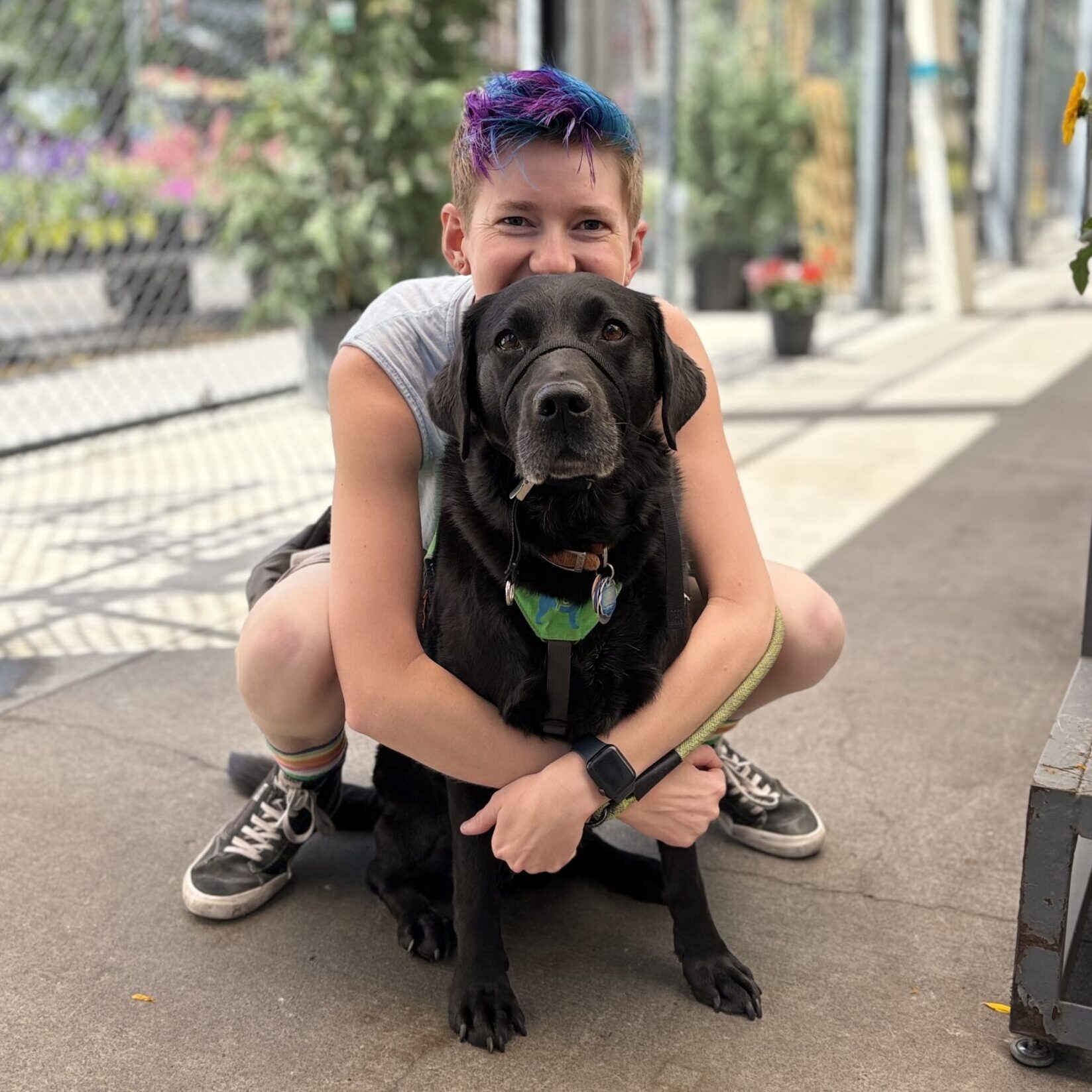
DARCI & TULIP
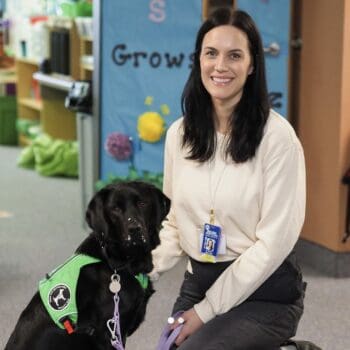
STEPHANIE & CLIFF
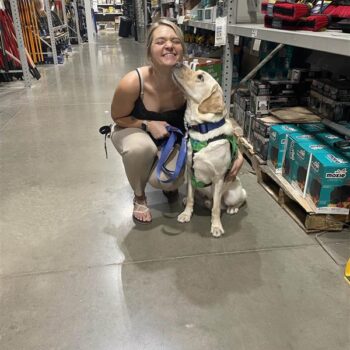
More Facility Dog Stories
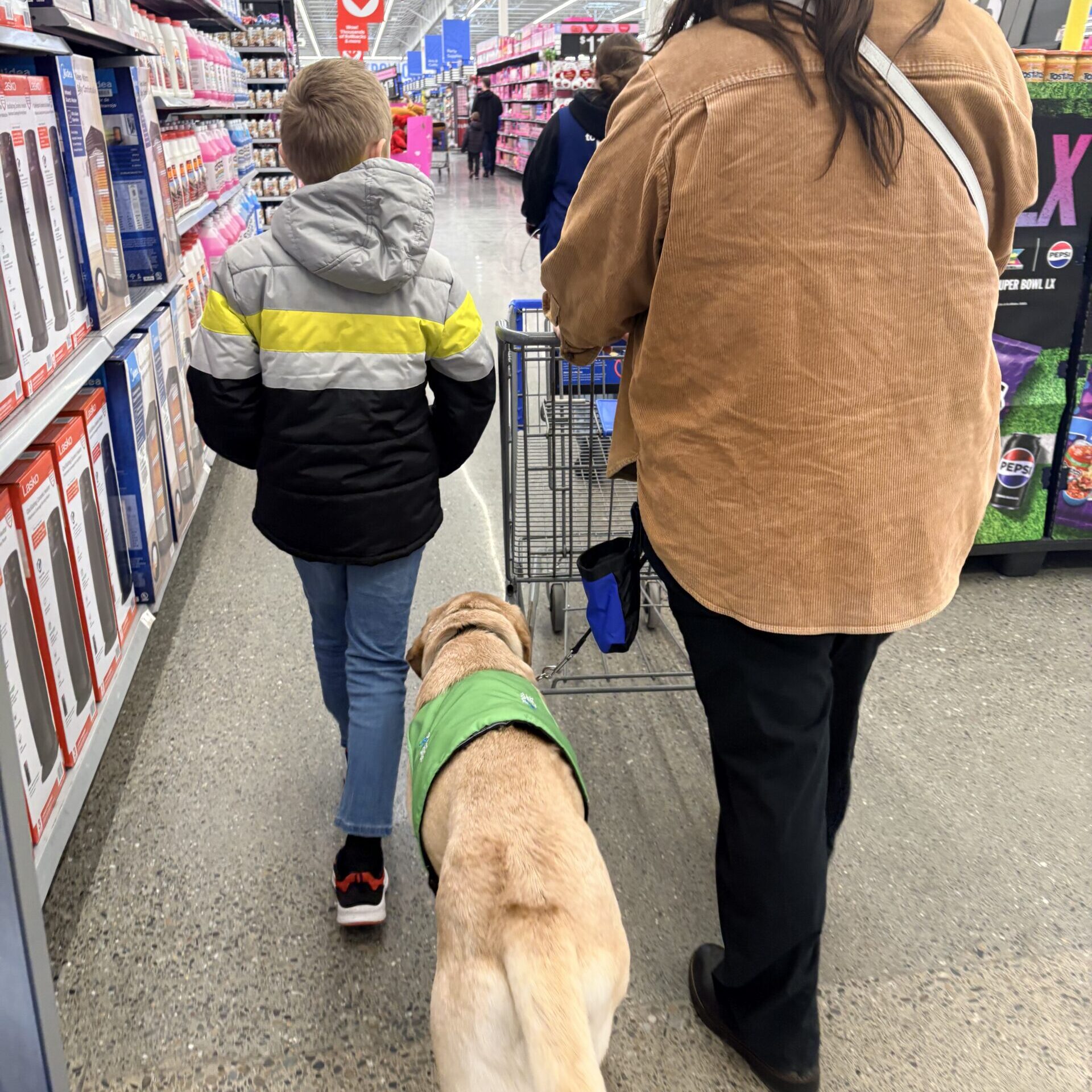
Jessica and Facility Dog Lander's Story
Types of Facility Dogs
Dogs for Better Lives places Facility Dogs with professionals across a range of settings. The program customizes each placement to ensure the dog’s skills align with the needs of the handler and the populations they serve. Examples of placements include:
- Educational Environments: Supporting teachers to improve classroom engagement.
- Therapeutic Practices: Assisting occupational or physical therapists in skill-building activities.
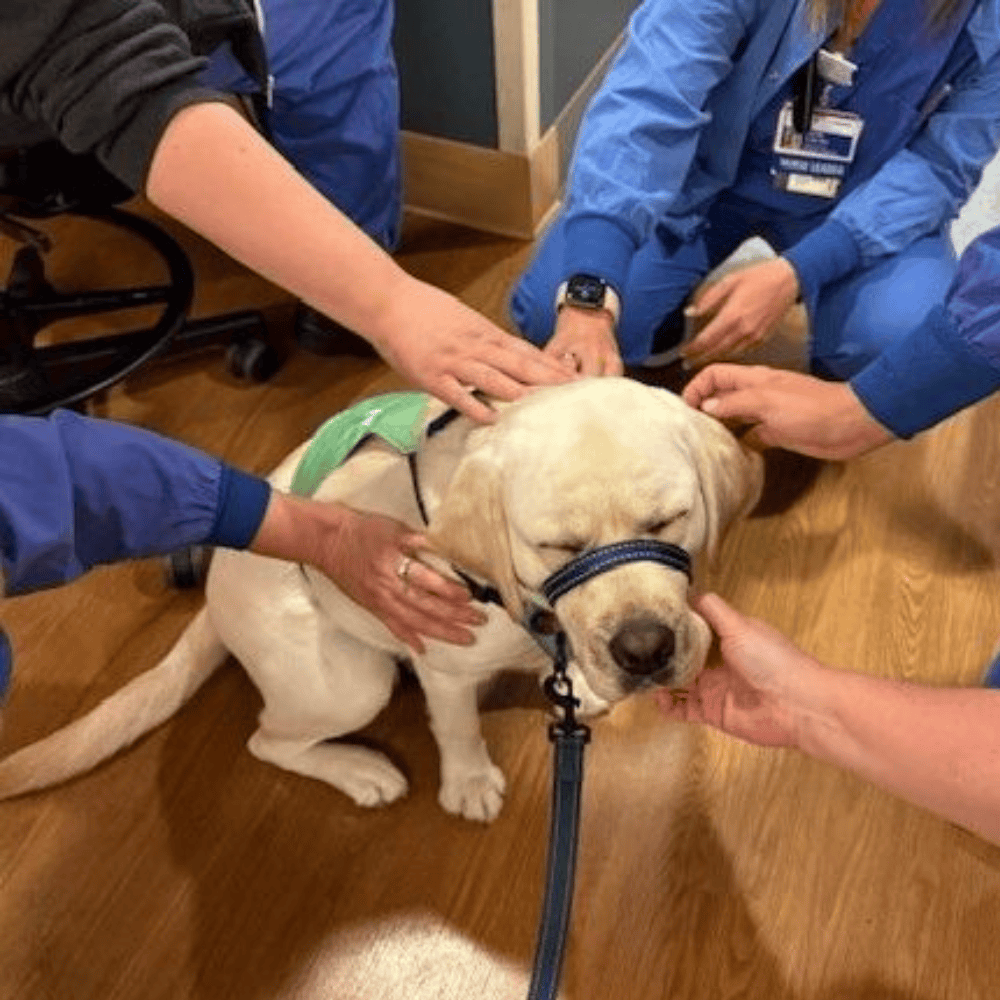
- Forensic Settings: Helping forensic interviewers create a calming atmosphere for children or vulnerable individuals.
Application Process
Pre-application
Watch our application video, then complete our brief form to express interest in our program.
Pre application phone call
Meet with a Dogs for Better Lives staff member via phone where we can get to know you and outline next steps.
Submit completed application packet
Send us your completed application packet to finalize your written application, which includes medical reference forms and videos.
Personal interview
Meet with members of our team virtually so we can determine your needs.
Selection review
Dogs for Better Lives staff committee meets to review all applications received during the application window. There are a limited number of wait list spots available. Applicants will be selected to our wait list based on their application and demonstrated intent to integrate the dog’s trained skills into their daily lives.
Waiting list
Those selected for our wait list will be notified, and we will be in touch when we have matched you with a dog in our program. The timeline of the waiting period for a working dog varies, but we strive to keep the wait under 2 years.
Matching and placement
Facility Dog placements may be made by a trainer in your work and home environment. In some cases, joining a group placement class may reduce the waiting period for a dog. Group placement classes include a one-on-one training component in your workplace or home environment.
Post placement:
Following the placement, regular communication is required. The client reports regularly on the progress of the dog. When problems or questions arise, our staff are available to assist. In person follow ups, both at home and in public, are a cornerstone of every successful placement.
Dogs for Better Lives provides follow-up support for the life of the team.
Dogs for Better Lives is an equal opportunity organization who does not and shall not unlawfully discriminate based upon race, political orientation, religion, gender, gender expression, sexual orientation, age, national origin, disability, marital status, military status, or for any discriminatory reason or other status prohibited by applicable law.
Apply For A Dog
Before you decide to apply for a Facility Dog, please watch our Facility Dog Application Process Video.